
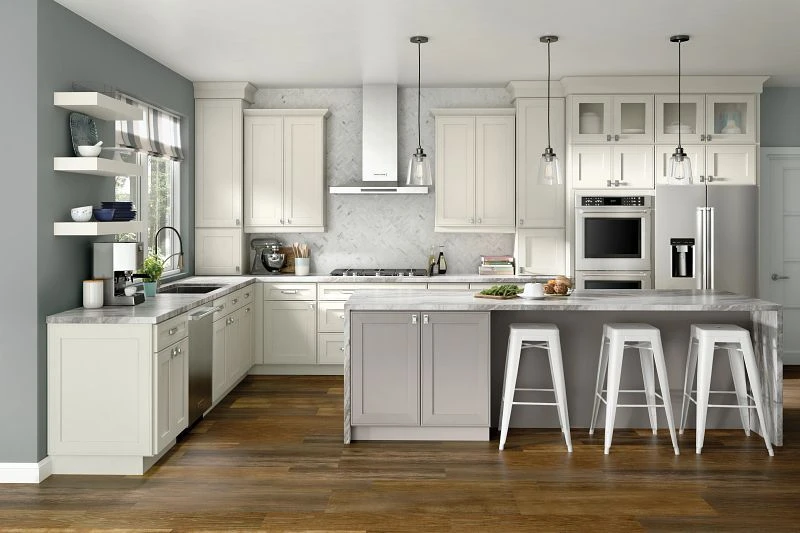
A kitchen remodel is one of the most significant investments a homeowner makes. It is also one of the projects most likely to generate regret when the decisions made at the beginning did not account for how the space actually gets used day to day.
After 25 years remodeling kitchens across Greater Boston, we have seen the same mistakes made repeatedly. Here are the five that matter most and what to do instead.
Mistake 1: Designing for How You Wish You Cooked, Not How You Actually Cook
The most common layout regret we hear from homeowners who remodeled with someone else is that the kitchen looks beautiful but does not work the way they expected. This almost always comes down to a design process that focused on aesthetics and not enough on workflow.
Before finalising any layout, spend time mapping out how you actually use your kitchen. Where do you put groceries when you come in from the garage? How do you move between the cooktop, the prep area and the sink? How many people are typically in the kitchen at the same time? A layout that works for your family’s real habits is worth more than a layout that looks perfect in a rendering.
Mistake 2: Underestimating the Importance of Storage Planning
New cabinets feel like they solve every storage problem right up until the moment you move back into the kitchen and realise the layout created three awkward corner dead zones and no logical place for your pots, your baking equipment or your stand mixer.
Good kitchen storage design is specific. It accounts for the actual items you store, how often you reach for them and the ergonomics of where things need to live relative to where they get used. Pull-out base cabinet organisers, deep drawer configurations and properly planned pantry space are not upgrades. They are the difference between a kitchen that functions well and one that looks great but frustrates you every day.
Mistake 3: Choosing a Contractor Based on Price Alone
Kitchen remodels involve carpentry, tile work, plumbing, electrical and sometimes structural modifications. The coordination of those trades is what determines whether your project finishes on time, within budget and to the quality you were expecting. A contractor who wins on price by cutting corners on coordination, using unlicensed subcontractors or leaving scope items vague will cost you more in the end than a contractor who quoted you honestly from the beginning.
Ask every contractor you meet: who specifically will be doing the tile work, the plumbing and the electrical on my project? If the answer involves multiple separate subcontractors you will not know in advance, that is a red flag for accountability and scheduling problems.
Mistake 4: Leaving Lighting as an Afterthought
Lighting gets added to kitchen plans at the end almost every time, and it shows. A kitchen with good cabinet placement and beautiful tile but inadequate task lighting over the countertops or no under-cabinet illumination will feel flat and frustrating to cook in regardless of how much was spent on finishes.
Lighting should be planned as part of the initial design, not added during the electrical rough-in phase. Think about layers: ambient overhead lighting, dedicated task lighting directly over prep and cooking areas, and accent or under-cabinet lighting for mood and visibility. Getting this right adds almost nothing to the overall project cost when it is planned from the start.
Mistake 5: Not Budgeting for the Unexpected
Every kitchen remodel that involves opening walls and floors has a chance of encountering something unexpected. Old plumbing that needs updating to current code. Wiring that is not where the plans said it would be. A subfloor that needs reinforcing before tile can go down. These things are not contractor errors. They are the reality of working inside older homes.
We recommend every client budget a 10 to 15 percent contingency on top of their written estimate. If the contingency does not get used, that is a good outcome. Going in expecting zero surprises in a gut renovation is how homeowners end up stressed, behind schedule and at odds with their contractor over who is responsible for costs that nobody anticipated.